

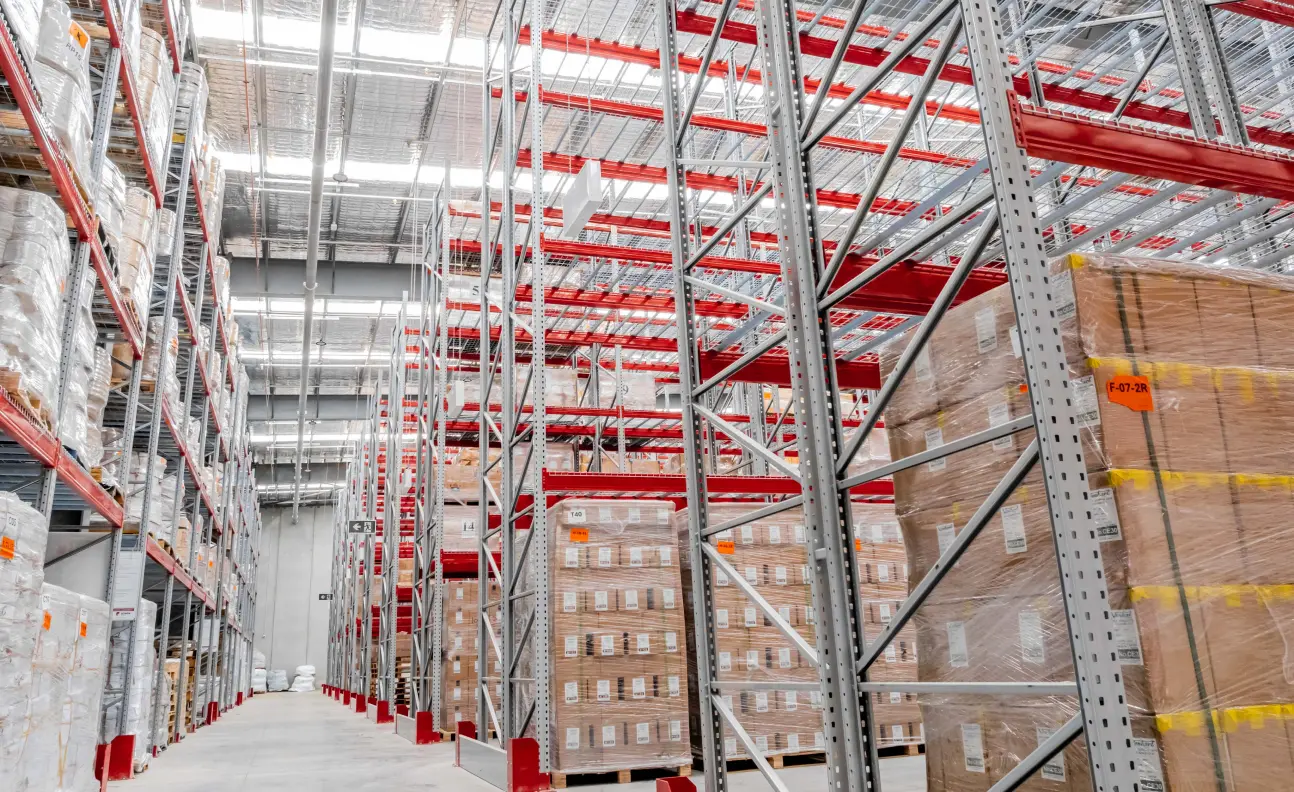
Warehouse automation means different things to different businesses. For some, its autonomous mobile robots and automated storage and retrieval systems (AS/RS). For others, it is barcode scanning, warehouse management software or a better warehouse layout that allows staff to move, store and retrieve inventory more efficiently.
Automation isn't about one piece of technology. It's about using the right combination of systems, equipment and processes to reduce repetitive tasks, improve accuracy and support safer, more efficient operations. For many businesses, the journey starts with practical improvements before adopting more advanced solutions.
If you’re considering upgrading your warehouse or simply looking for ways to improve efficiency, knowing what warehouse automation is can help you make better choices.
What Is Warehouse Automation?
Search "warehouse automation," and you'll quickly realise there's no single definition. Some people are talking about robotics, others are referring to warehouse management software, automated storage systems or even barcode scanning. They're all talking about automation, just at different stages of the journey.
For one business, automation might begin with better inventory tracking. Another might focus on reducing picking errors or making better use of warehouse space. Larger operations may eventually introduce robotics, but that's rarely the first step.
The technology may vary, but the goal is always the same: reducing unnecessary manual work and helping warehouse operations run more efficiently.
It's easy to assume bigger technology means better results. In practice, that's not always the case. A warehouse with an efficient layout and well-designed storage can often outperform one relying on more sophisticated equipment but poorer workflows.
How Does Warehouse Automation Work?
No two warehouses operate exactly the same, but most follow a similar path. Goods arrive, they're stored, picked, packed and dispatched. Automation simply looks for opportunities to make each step more efficient.
When products arrive, barcode scanners or RFID technology can record inventory as it's received, reducing manual data entry and improving stock accuracy from the outset. Warehouse management software then helps track inventory as it moves through the facility, making it easier to locate products and manage stock levels.
As orders come in, automation can assist with picking and packing by identifying efficient picking routes, directing staff to product locations or moving inventory between workstations using conveyor systems or automated vehicles. In larger operations, automated storage and retrieval systems (AS/RS) may also be used to store and retrieve products with minimal manual handling.
The greatest benefits come when software, storage systems and warehouse processes work together. That's why many businesses review their overall workflow before deciding which technologies to introduce.
So, why has warehouse automation become such a talking point?
Why More Businesses Are Turning to Warehouse Automation
Warehouse automation isn't just about keeping up with technology trends. For many businesses, it's an effective response to everyday operational challenges.
Warehouses are under more pressure than they were a decade ago. Customers expect faster delivery, businesses are carrying more stock and finding experienced staff isn't always easy. Automation has become one way of responding to those pressures without simply adding more people.
Ask almost any warehouse manager where time gets lost and inventory usually comes up somewhere in the conversation. Stock that's difficult to locate or records that aren't up to date slow everything down. Better visibility is one of the biggest advantages automation can offer.
Automation can also contribute to a safer workplace. According to Safe Work Australia, hazardous manual tasks remain a common cause of workplace injuries. Reducing repetitive lifting, carrying and manual handling where appropriate can lower physical demands on employees while creating safer, more efficient workflows.
One thing worth remembering is that the value of automation isn't measured solely by speed. A warehouse that consistently processes orders accurately, uses its available space effectively and adapts to changing demand is often in a stronger position than one focused only on increasing throughput.
Do You Need a Fully Automated Warehouse?
Not necessarily.
One of the biggest misconceptions about warehouse automation is that it's an all-or-nothing investment. In practice, automation is often introduced gradually as a business grows or operational needs change.
A warehouse might begin with a warehouse management system to improve inventory visibility, followed by barcode scanning to reduce picking errors. Later, the business may optimise its storage layout, install conveyor systems or invest in automated storage equipment as demand increases.
This staged approach has practical advantages. It allows businesses to solve immediate challenges while building a stronger foundation for future improvements, rather than committing to large-scale automation before it's needed.
A good starting point is to identify where time is being lost. Are employees spending too long searching for inventory? Are repetitive manual tasks slowing down order fulfilment? Is available warehouse space being used effectively? Answering these questions often provides a clearer picture of where automation can deliver the greatest value.
“EC Carpets approached us to redesign an existing warehouse layout to maximise their storage capacity in the current footprint, accommodating 3,450 non-AU pallet spaces, 18 bays of 4m deep carpet racks and 150 levels of carpet roll storage. Installing a high-density flexible storage system tailored to their operation, ensured they had flexibility, scalability and an efficient storage system that married with their daily operation. They didn’t to move warehouses, just optimise the flow and space they had.”
Build the Right Foundation First
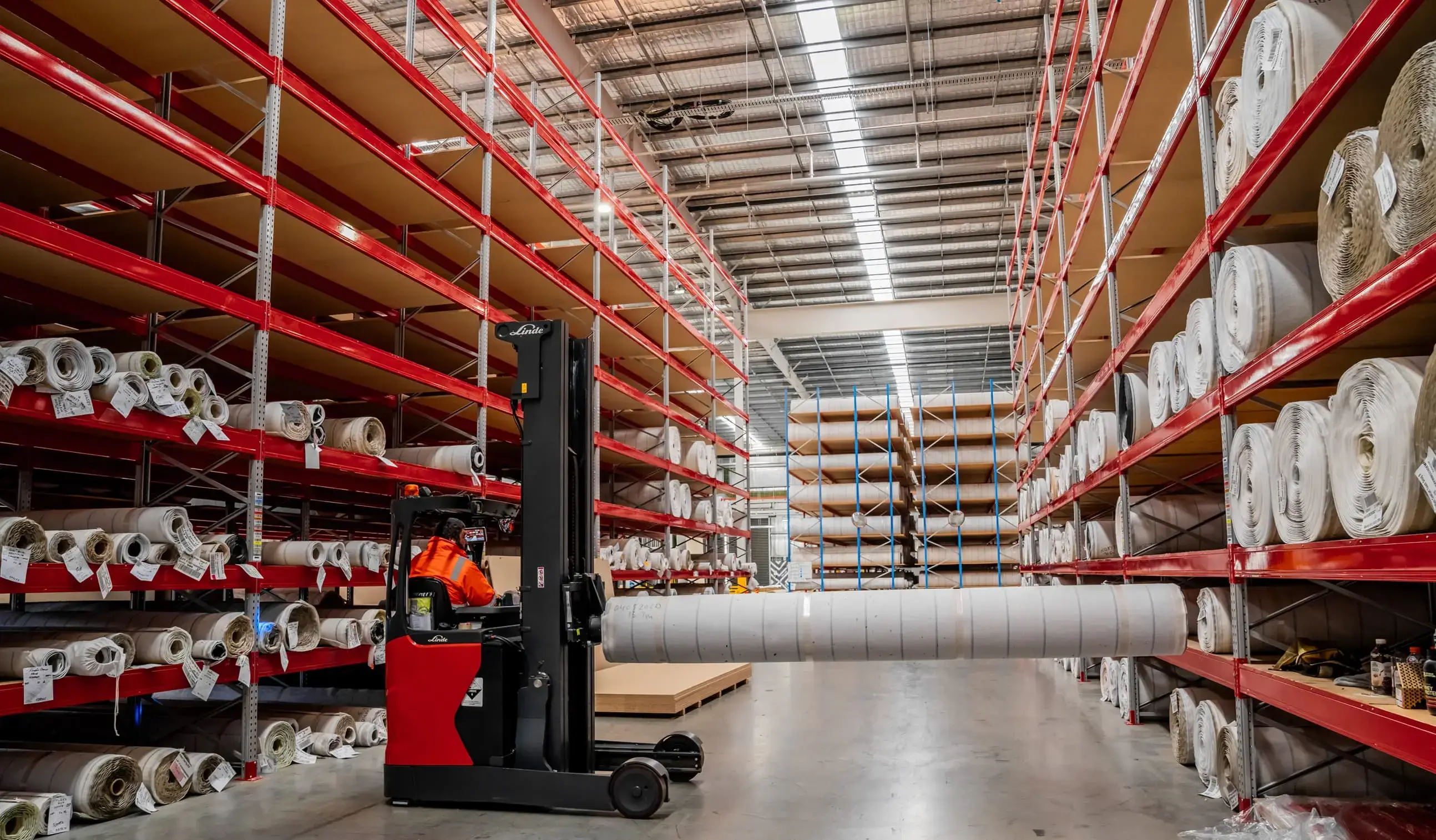
Technology has an important role to play, but it won't fix an inefficient warehouse on its own.
If products are difficult to access or staff are constantly walking further than they need to, new technology simply speeds up an inefficient process. That's why warehouse layout and storage design deserve just as much attention as the technology itself.
What We've Found
Over the years, we've found that the most successful automation projects don't usually begin with new technology. More often, they start with a closer look at how the warehouse operates day to day. Improving storage layouts and workflow often creates a stronger foundation for automation when the time is right.
Well-planned pallet racking, industrial shelving and mezzanine floors help improve accessibility, make better use of available space and support smoother workflows throughout the warehouse.
It's also worth thinking about future growth. Choosing storage solutions that can adapt as inventory volumes increase gives businesses greater flexibility when they're ready to introduce additional automation. A warehouse doesn't have to be fully automated from day one, but it should be designed to support future operational needs.
Building a Smarter Warehouse Starts with the Right Foundations
No two warehouses are the same, so there's no one-size-fits-all approach to automation.
Some businesses benefit from improved inventory management, while others need more efficient storage or automated equipment to support increasing demand. The key is identifying the changes that will have the most impact on your operation, both now and as your business grows.