

Walk through almost any busy warehouse and you'll notice the same thing: products are constantly on the move. Forklifts collect pallets, inventory is relocated and operators spend much of the day retrieving stock from storage. It's all part of keeping orders moving, but it also highlights where time and effort can quickly add up.
As inventory grows, so does the effort required to keep everything moving. That's where an automated storage and retrieval system (ASRS) can make a real difference. It takes over the repetitive task of storing and retrieving inventory, helping businesses improve accuracy while making better use of available warehouse space.
Whether you're exploring automation for the first time or looking at ways to optimise an existing warehouse, understanding how an ASRS works is a good place to start.
What Is an Automated Storage and Retrieval System?
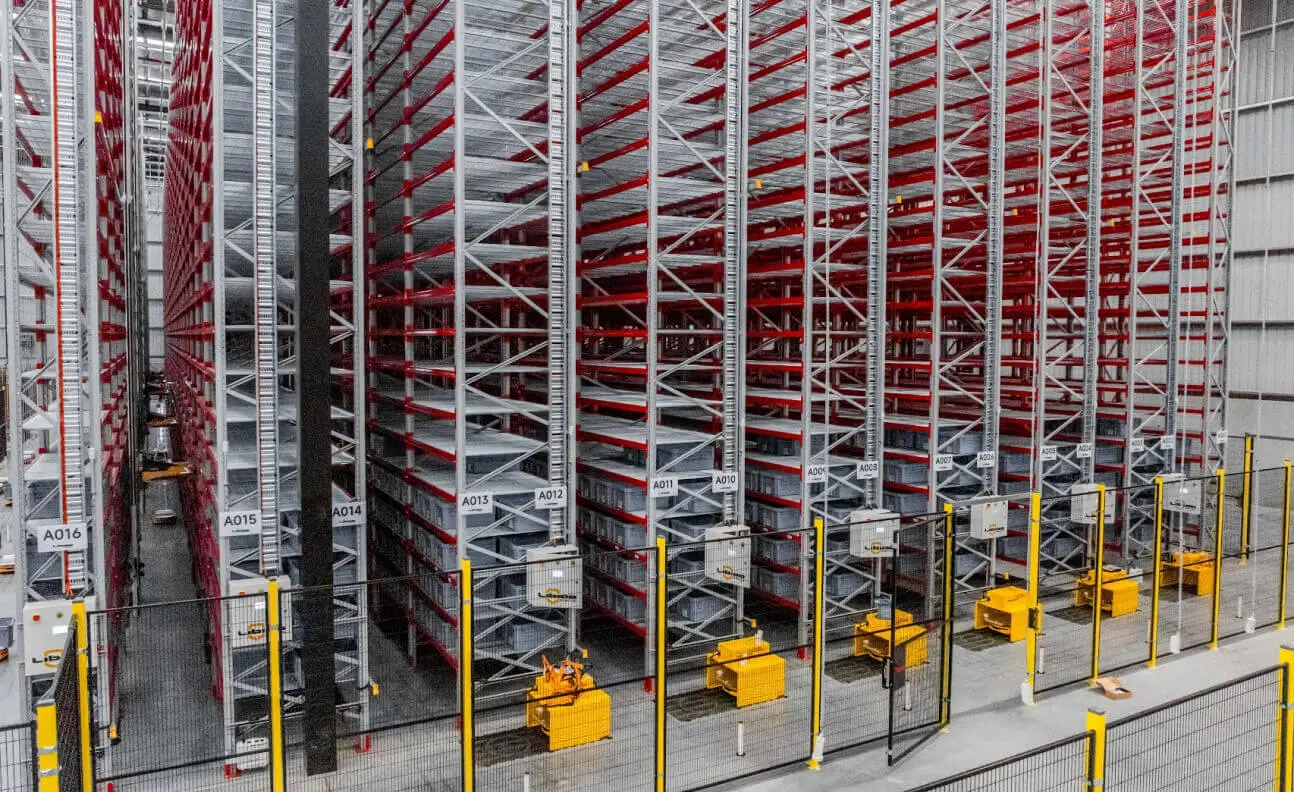
An automated storage and retrieval system automates one of the most time-consuming parts of warehouse operations: putting inventory away and retrieving it when it's needed.
Think of an ASRS as another pair of hands. Once inventory enters the system, software determines where it's stored and retrieves it when required. People are still involved, but they spend less time travelling through the warehouse looking for stock.
Not every ASRS looks the same. Some are designed for pallets in high-density warehouses, while others handle cartons, totes or smaller components. The right system depends on the products being stored, available space and the way the warehouse operates.
How Does an ASRS Work?
From the outside, an ASRS can look complex. The process behind it isn't.
Once inventory enters the system, it's automatically assigned a storage location. When it's needed later, the system retrieves it and delivers it to the appropriate picking or dispatch point. Behind the scenes, warehouse management software keeps track of every movement.
Later, when that inventory is required for production, picking or dispatch, the system automatically retrieves it and delivers it to the appropriate workstation or collection point.
Less searching. Less travelling. More time spent keeping orders moving. As inventory grows, those time savings become even more noticeable.
Why Are More Warehouses Using ASRS?
Warehouse space has a habit of disappearing faster than most businesses expect.
As product ranges grow, making better use of existing space often becomes a bigger priority than moving to a larger facility. That's one reason more businesses are exploring ASRS.
An ASRS is designed to do exactly that. Because products can be stored and retrieved automatically, businesses can often store inventory more densely without making it harder to access. That means less floor space is taken up by wide aisles and more room is available for storage.
Inventory accuracy tends to improve as well. Because locations are managed digitally, there's less reliance on manual tracking and fewer opportunities for stock to end up in the wrong place. This helps create more consistent warehouse operations while giving teams greater confidence in their inventory data.
Safety matters too. Reducing the need to repeatedly retrieve pallets from high racking or travel long distances throughout the warehouse can help minimise manual handling and lower the risk of injury.
The result isn't simply a faster warehouse. It's one that's better organised, easier to manage and more prepared to handle future growth.
Is an Automated Storage and Retrieval System Right for Every Warehouse?
Not every warehouse needs an ASRS.
An ASRS can deliver significant benefits, but it's not the right solution for every operation. The type of products being stored, order volumes, available warehouse space and long-term business goals all play a role in determining whether automation makes sense.
For businesses with high inventory volumes or limited floor space, an ASRS can improve storage density and reduce the time spent moving products around the warehouse. Smaller operations, however, may find greater value in improving warehouse layout, upgrading storage systems or introducing warehouse management software before investing in more advanced automation.
The decision should always come back to the operation itself. If a warehouse is already working well, introducing automation should build on that, not complicate it.
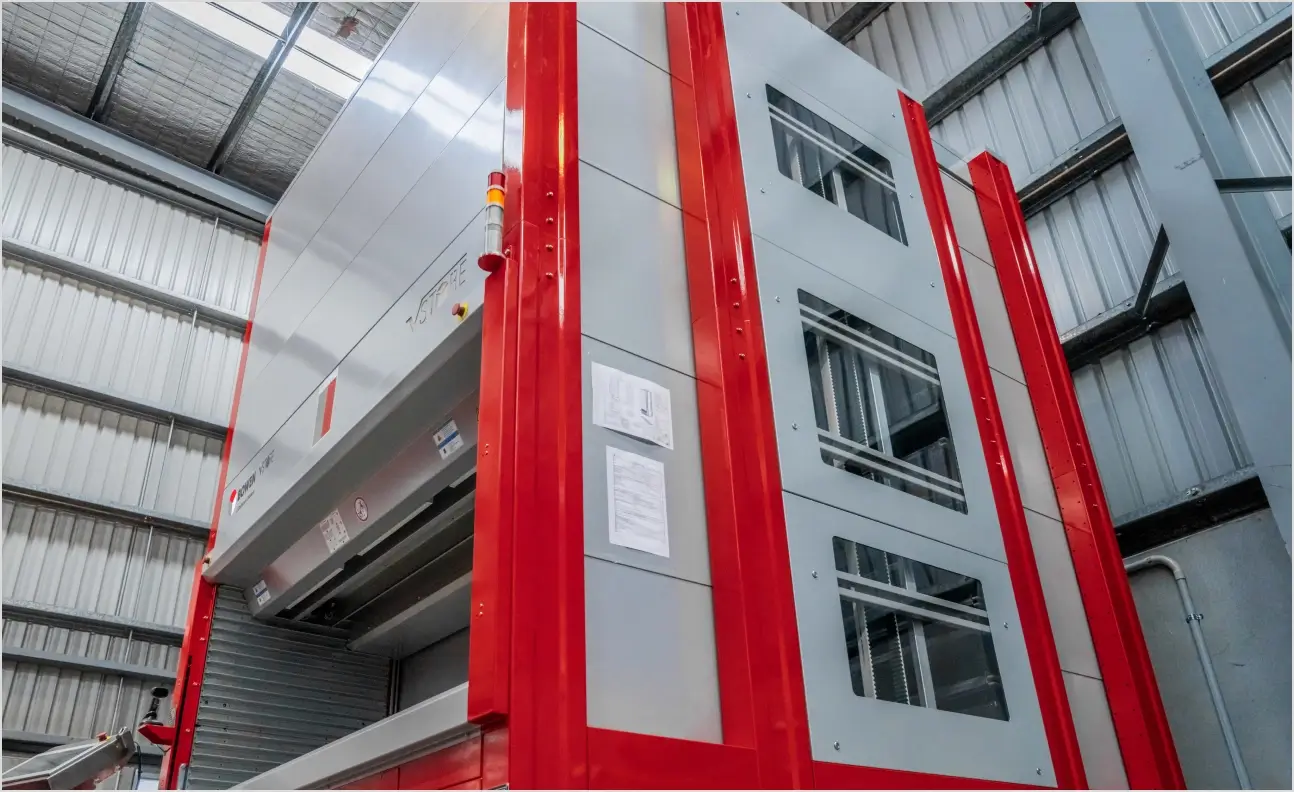
“Scorptec, an existing customer, needed an integrated solution that would reduce the daily movement of stock between locations which was causing not only disruption between their storage and assembly lines, but was expensive in terms of lost hours manual handling. We knew by designing an automation solution this would immediately resolve this issue. An 8m tall Bowen VStore (VSRS) with 65 storage levels was installed, creating 70% additional floorspace and connecting with the mezzanine floor assembly area and multi-directional conveyor system.”
Good Automation Starts with Good Warehouse Design
Technology can make a warehouse more efficient, but it works best when it's supporting an organised operation.
If storage locations are difficult to access or products move through the warehouse inefficiently, automation will only speed up those existing problems. That's why warehouse layout, storage systems and workflow deserve just as much attention as the technology itself.
From Our Experience
One thing we've learned is that warehouses rarely become more efficient because of one piece of technology. It's usually a series of improvements that work together. That's why we encourage businesses to understand their workflow before deciding which automation solutions are likely to deliver the greatest value.
Whether you're considering an ASRS or another form of warehouse automation, building the right foundation first can help maximise the return on your investment.
Automation Should Support the Way Your Warehouse Operates
An automated storage and retrieval system can improve efficiency, accuracy and space utilisation, but it's not simply a matter of installing new technology. Like any warehouse investment, it works best when it's aligned with the way your business operates and where it's heading.
For some businesses, an ASRS is the right next step. Others may benefit more from improving storage layouts or warehouse workflows first. The best decision is the one that suits the way your warehouse operates today while supporting where it's headed next.